
The ability to scan structures is a critical component in various fields, including engineering, architecture, archaeology, and medicine. The type of scanning technology used depends on the nature of the structure, the purpose of the scan, and the desired level of detail. This article will explore the diverse types of structures that can be scanned, focusing on buildings and infrastructure, archaeological sites, natural formations, and the human body.
Buildings and Infrastructure
1. Residential and Commercial Buildings: Modern scanning technologies such as LiDAR (Light Detection and Ranging), photogrammetry, and 3D laser scanning are commonly used to scan residential and commercial buildings. These methods capture detailed data about a building’s geometry, which can be used for various purposes including renovation, restoration, and structural analysis. Scanning can help in creating accurate digital models of buildings, facilitating architectural planning and design.
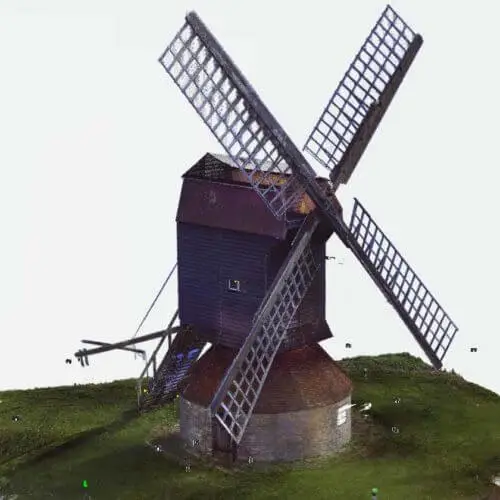
2. Historical and Heritage Structures: Preserving cultural heritage is a significant application of scanning technology. Historical monuments, ancient buildings, and archaeological sites are often scanned to create precise digital records. Technologies such as ground-penetrating radar (GPR) and high-resolution 3D laser scanning are employed to capture intricate details without causing any damage to the structures. This data is invaluable for conservationists and historians in preserving the structural integrity and authenticity of heritage sites.
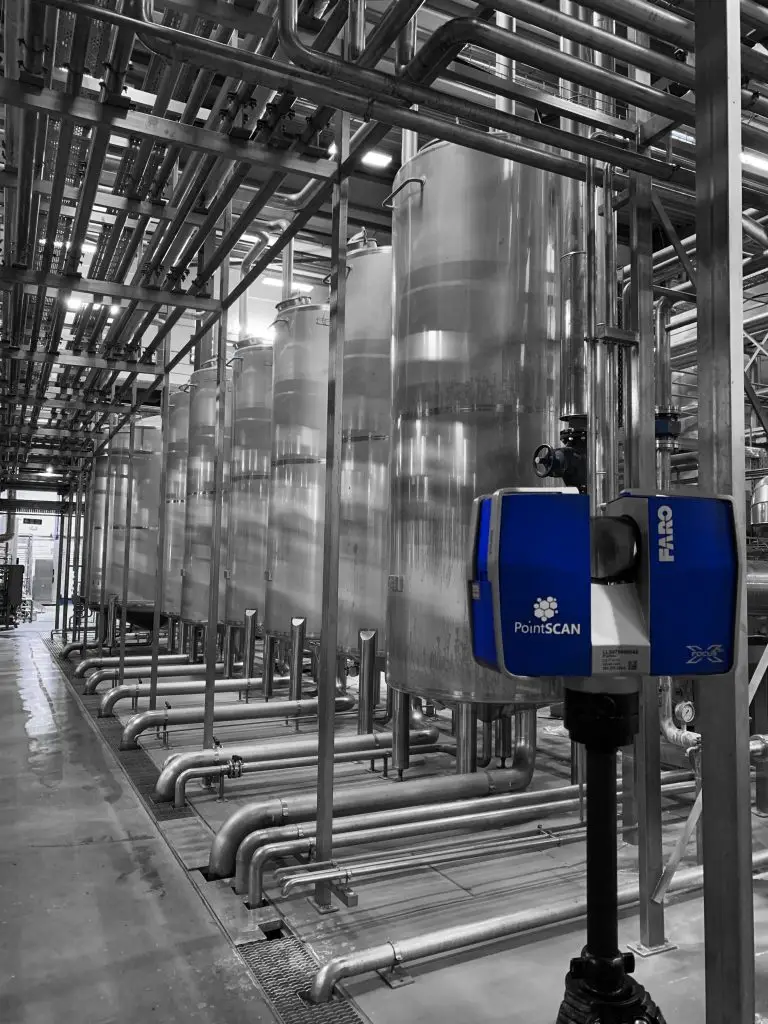
3. Industrial Facilities: Industrial environments, including factories, refineries, and power plants, are scanned to improve operational efficiency, safety, and maintenance. Scanning technologies provide accurate measurements and detailed models of complex machinery and plant layouts. These models are crucial for planning upgrades, conducting safety inspections, and ensuring compliance with regulatory standards.
4. Bridges and Tunnels: Infrastructure such as bridges and tunnels are scanned regularly to assess their condition and detect any structural weaknesses. Techniques like LiDAR and photogrammetry are used to create detailed 3D models, which help engineers and maintenance teams identify areas needing repair or reinforcement. Regular scanning ensures the safety and longevity of these critical transportation structures.
Archaeological Sites
1. Excavated Sites: Archaeological excavations often involve delicate work where traditional methods might risk damaging artifacts. Advanced scanning techniques, including 3D laser scanning and photogrammetry, enable archaeologists to capture precise details of excavation sites. These digital records can be analysed without disturbing the physical site, preserving it for future studies.
2. Underground Structures: Ground-penetrating radar (GPR) and other subsurface imaging technologies are used to scan and map underground archaeological sites. These methods allow researchers to detect and visualise buried structures such as ancient tombs, hidden chambers, and subterranean dwellings. GPR is particularly useful in identifying archaeological features without the need for intrusive digging.
3. Artifacts and Fossils: Individual artifacts and fossils can also be scanned using high-resolution 3D scanners. This enables the creation of detailed digital models that can be studied and shared with the global scientific community. Scanning allows for non-destructive analysis, ensuring that the original objects remain intact for future research.
Natural Formations
1. Geological Structures: Geologists use scanning technologies to study natural formations such as rock outcrops, caves, and cliffs. LiDAR, for instance, provides detailed topographical data, enabling the study of geological features and processes. This information is crucial for understanding earth history, predicting geological hazards, and conducting environmental assessments.
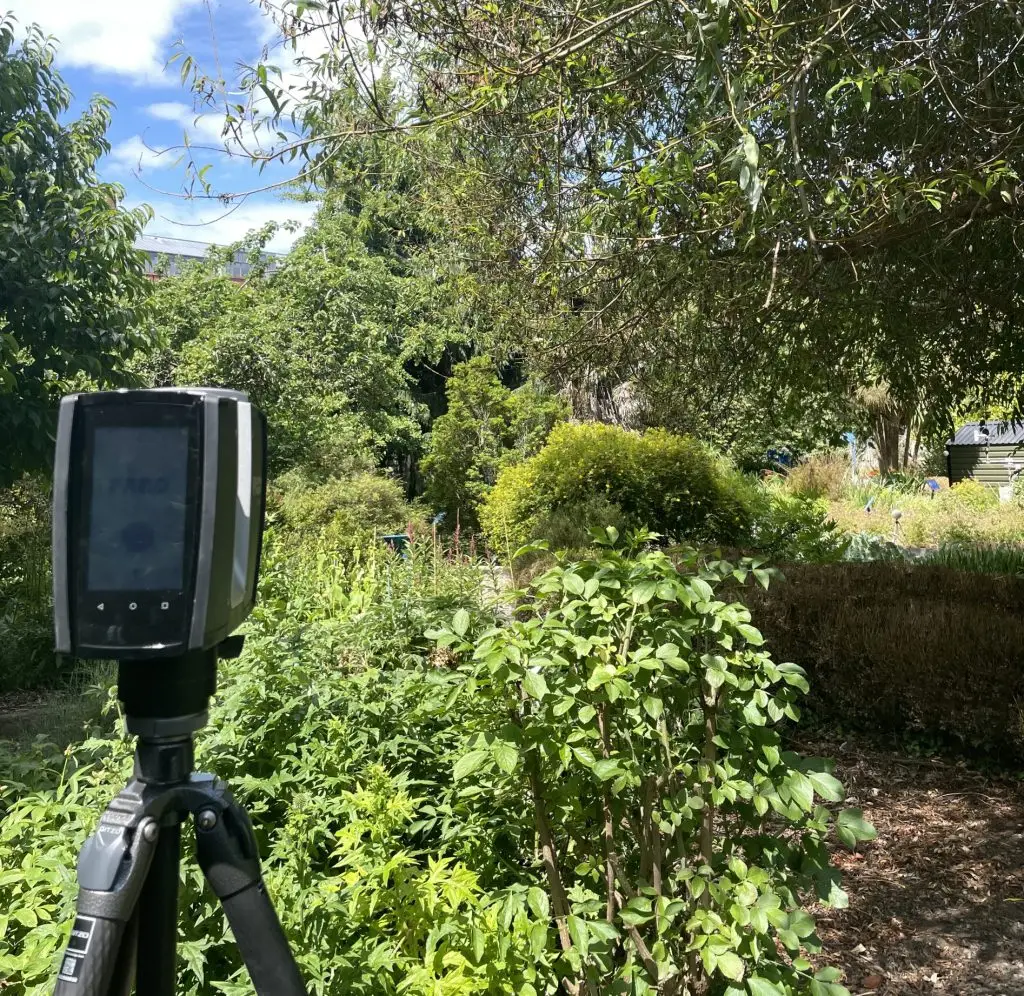
2. Landscapes and Ecosystems: Large-scale scanning of landscapes and ecosystems is achieved through aerial and satellite-based LiDAR. These scans provide comprehensive data on terrain, vegetation, and land use. Ecologists and environmental scientists use this information to monitor ecological changes, study habitat dynamics, and manage natural resources effectively.
The Human Body
1. Medical Imaging: Scanning technologies are indispensable in the field of medicine. Techniques such as MRI (Magnetic Resonance Imaging), CT (Computed Tomography), and ultrasound scans provide detailed images of the human body’s internal structures. These scans are critical for diagnosing diseases, planning surgical procedures, and monitoring treatment outcomes.
2. Dental Scanning: Dentists use intraoral scanners to capture detailed 3D images of patients’ teeth and gums. These scans aid in the design of dental prosthetics, orthodontic treatments, and other dental procedures. High-resolution scans ensure precise fittings and improve overall patient care.
3. Anthropological Studies: In anthropology and forensic science, scanning technologies like CT and 3D laser scanning are used to study human remains. These scans provide insights into ancient human populations, health conditions, and causes of death. In forensic cases, scanning helps in the identification of unknown remains and the reconstruction of crime scenes.
Specialized Scanning Applications
1. Aerospace and Aeronautical Structures: Aircraft and spacecraft components are often scanned to ensure precision manufacturing and structural integrity. Techniques such as 3D laser scanning and CT scanning are used to inspect parts for defects, measure wear and tear, and verify dimensions. These scans are crucial for maintaining the safety and performance of aerospace vehicles.
2. Marine and Subsea Structures: Subsea scanning technologies like sonar and underwater LiDAR are used to map and inspect marine structures, including pipelines, shipwrecks, and underwater habitats. These scans provide critical data for marine archaeology, offshore engineering, and environmental monitoring.
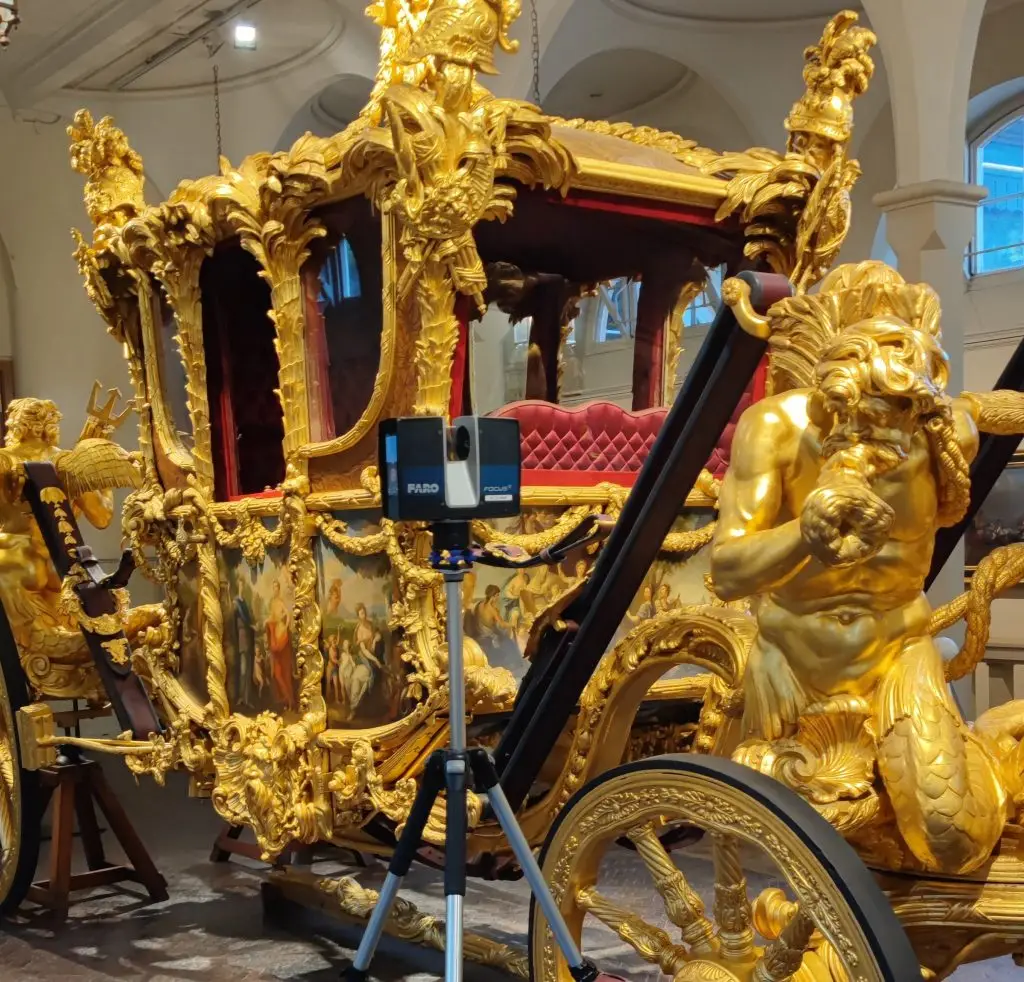
3. Art and Cultural Artifacts: Scanning plays a significant role in the preservation and restoration of art and cultural artifacts. High-resolution 3D scanning captures the intricate details of sculptures, paintings, and other artworks. This digital data is used for restoration projects, virtual exhibitions, and research purposes.
The ability to scan diverse types of structures has revolutionised many fields, from engineering and architecture to medicine and archaeology. Advanced scanning technologies provide detailed, accurate data that enhances our understanding, preservation, and utilisation of various structures. As scanning technologies continue to evolve, their applications will undoubtedly expand, offering even greater insights and capabilities in the study and maintenance of both man-made and natural structures.
Explore what 3D laser scanning can do for your projects. Contact PointSCAN to learn more.