Technological Advances in AMP7 and Prospects for AMP8
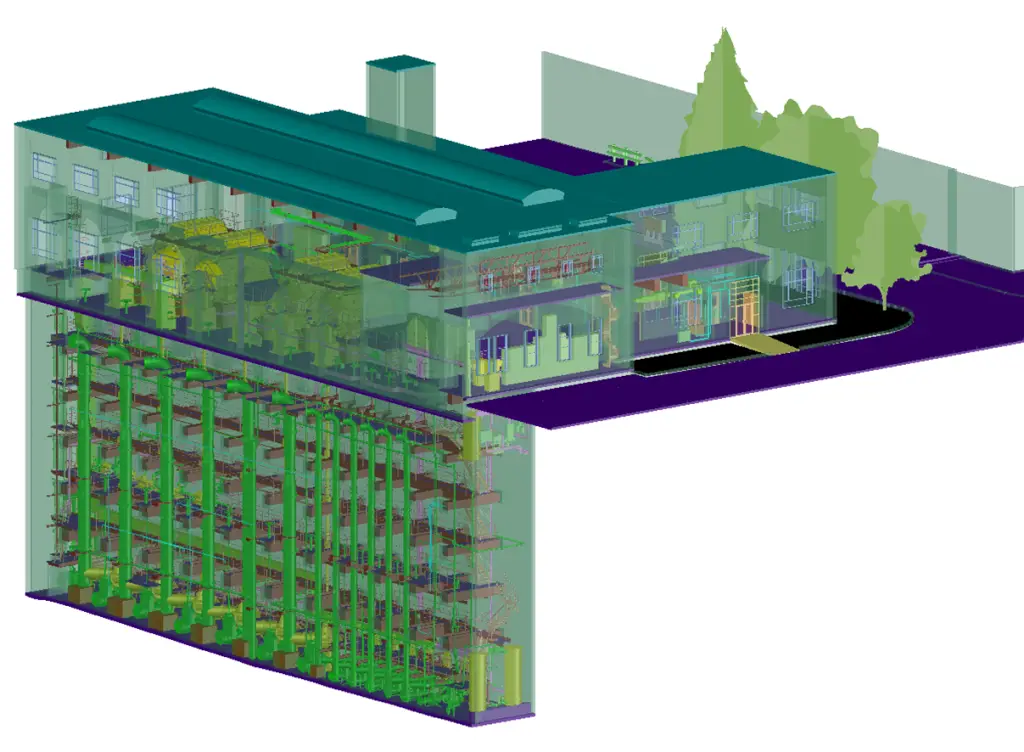
The water industry is undergoing a technological renaissance during the current Asset Management Period (AMP7), with notable advancements such as the adoption of 3D laser scanning for mechanical and topographical surveys. This cutting-edge technology has redefined the industry’s operational methodologies by offering unprecedented levels of accuracy and efficiency in data capture.
There are few industries that benefit as much from the use of 3D laser surveys as the water industry. A single survey not only creates documentation for topographic data and design data for engineering but also serves fabrication, construction, and the creation of as-built drawings. Moreover, 3D imagery and virtual reality can be combined to enhance project planning, presentation, and management, improve safety, and offer opportunities for training and development.
As we look toward AMP8, we anticipate an even greater integration of 3D laser scanning technologies, with improvements in data processing and digital amalgamation poised to further enhance operational efficiencies and facilitate data-driven decision-making. The water industry stands on the threshold of a new era where innovative technologies will significantly elevate asset management and maintenance practices.
Create Efficiency in Project Delivery with Financial Savings
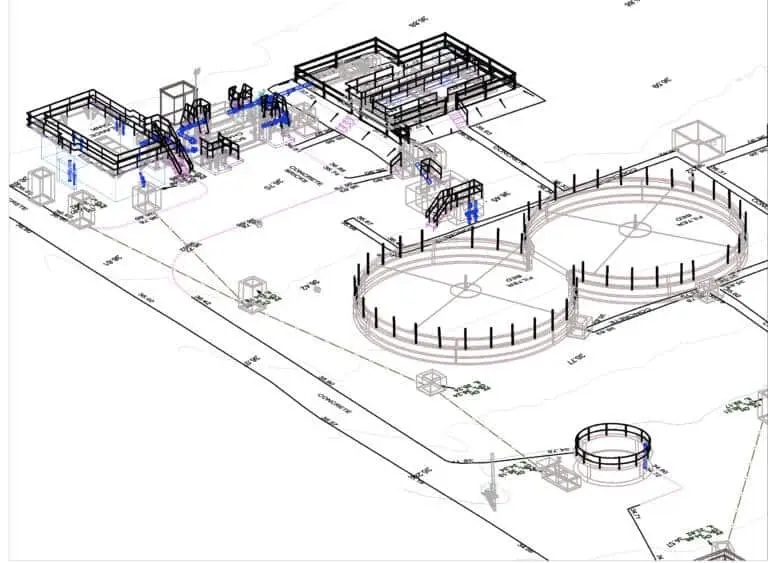
The implementation of 3D laser scanning in the water industry has become a linchpin for driving efficiency in project delivery and financial management.
This technology allows for the swift acquisition of highly accurate data, reducing the necessity for multiple site visits and mitigating delays caused by measurement inaccuracies. By accelerating data capture and enhancing precision, 3D laser scanning minimises project timelines and substantially lowers associated costs. This efficiency directly translates into financial savings, enabling water authorities and contractors to reallocate resources more strategically and optimise their budgetary expenditures.
In an industry where time and accuracy are critical, 3D laser scanning emerges as a pivotal tool for achieving cost-effective project outcomes.
Enhancing Safety
Safety remains a paramount concern within the water industry, particularly in environments where confined space entries pose significant risks to personnel. The introduction of 3D laser scanning offers a safer alternative through inverted scanning options that obviate the need for physical entry into hazardous areas. This technology not only safeguards workers from potential accidents but also adheres to stringent safety regulations.
Moreover, by reducing on site survey times by up to 80% and improvements in on-site delivery due to better data the water industry’s can benefit from a noticable reduction in incidents when 3D laser scanning is employed, underscoring the technology’s efficacy in fostering a safer working environment. By eliminating the need for direct human involvement in high-risk scenarios, 3D laser scanning significantly enhances overall safety and compliance standards within the industry.
PointSCAN has developed innovative solutions to acquire 3D laser scans without accessing hazardous areas, further minimising the risks to workers. Their approach includes utilising remotely operated vehicles and drone technology, allowing for comprehensive data collection from a safe distance.
These cutting-edge methods not only ensure the safety of the personnel but also provide high-quality data, maintaining the integrity and accuracy of the scans. By continuously improving and adapting their safety protocols, PointSCAN contributes to setting a new benchmark for safety standards within the water industry, leading the way in protecting their workforce while delivering exceptional survey results.
Increasing Precision and Accuracy
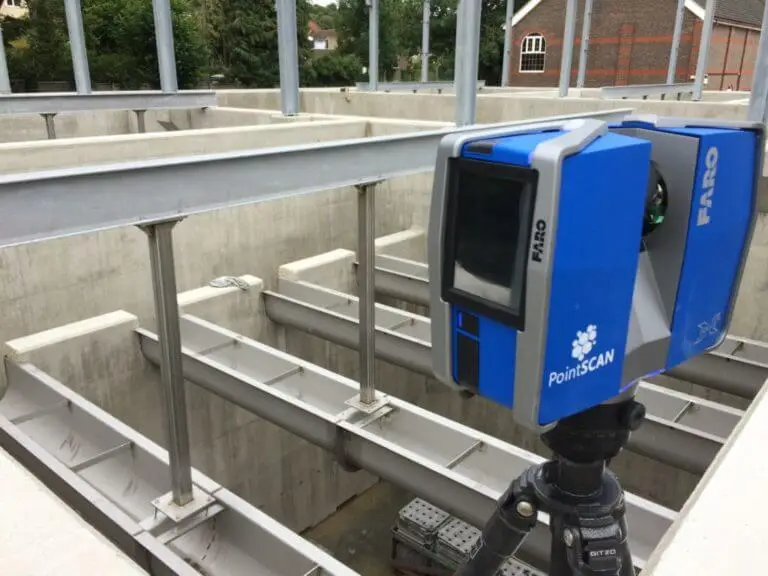
The utilisation of high-end laser scanners, such as the Faro Focus Premium, exemplifies the precision that can be achieved in mechanical and topographical surveys. These state-of-the-art devices are capable of capturing intricate point clouds with remarkable accuracy, thereby providing a reliable basis for design and analysis. The precision offered by these scanners ensures that the data collected is both accurate and dependable, minimising the likelihood of costly errors and rework. In complex projects where exact measurements are crucial, the detailed data captured by premium laser scanners serves as an invaluable asset for planning and execution.
By elevating the standard of accuracy, these scanners facilitate a more efficient and streamlined workflow, ultimately enhancing the quality and success of water industry projects.
Immersive Environments and Quick Verification
The integration of point clouds and web-based viewers has revolutionised how designers and engineers interact with survey data. These immersive environments enable stakeholders to explore 3D models in real-time, facilitating quick and easy verifications within the design process. This capability significantly enhances communication among project teams, as potential issues can be identified and addressed early in the design phase. The interactive nature of these tools not only expedites decision-making but also fosters collaboration, ensuring that all parties are aligned with the most accurate and up-to-date information. By providing a comprehensive and dynamic view of the project, immersive environments empower stakeholders to make informed decisions and drive project success.
Minimising Modelling Costs and Planning Efficiency
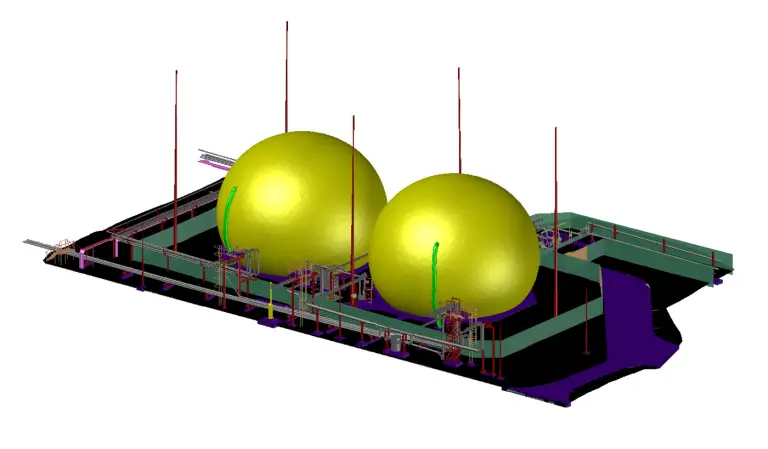
The rich data sets provided by 3D laser scanning allow the water industry to minimise modelling costs for the installation of key assets. By capturing detailed and accurate representations of existing conditions, this technology reduces the need for extensive manual modelling, thereby lowering the overall costs associated with asset installation. Furthermore, the efficiency extends to the planning process, where accurate models can be utilised to visualise and assess proposed installations. This level of precision in planning ensures that projects are executed with a high degree of accuracy and foresight, ultimately enhancing project outcomes and optimising resource allocation.
BIM Integration and Project Development
Building Information Modelling (BIM) has become an indispensable component of modern project delivery, and the integration of 3D laser scanning and visual imagery significantly enhances its capabilities. This synergy allows for the seamless incorporation of accurate survey data into BIM models, providing a holistic view of the project at every stage of its development. The integration of 3D laser scanning data into BIM facilitates more informed decision-making, as project teams can anticipate potential challenges and optimise resource utilisation throughout the project lifecycle. By bridging the gap between the physical and digital realms, BIM integration with 3D laser scanning data empowers stakeholders to drive project success through enhanced collaboration and data-driven insights.
Creating Digital Twins
The advent of 3D laser scanning technology has paved the way for the creation of digital twins—virtual replicas of physical assets that serve as dynamic platforms for monitoring, analysis, and optimisation. These digital twins offer a comprehensive view of the asset, enabling water authorities to simulate different scenarios, predict outcomes, and make proactive decisions. By providing a virtual representation of the physical environment, digital twins facilitate a deeper understanding of asset behaviour and performance, allowing for more efficient and effective asset management. The ability to create accurate digital twins enhances operational efficiency and supports the industry’s goal of achieving a more sustainable and resilient infrastructure.
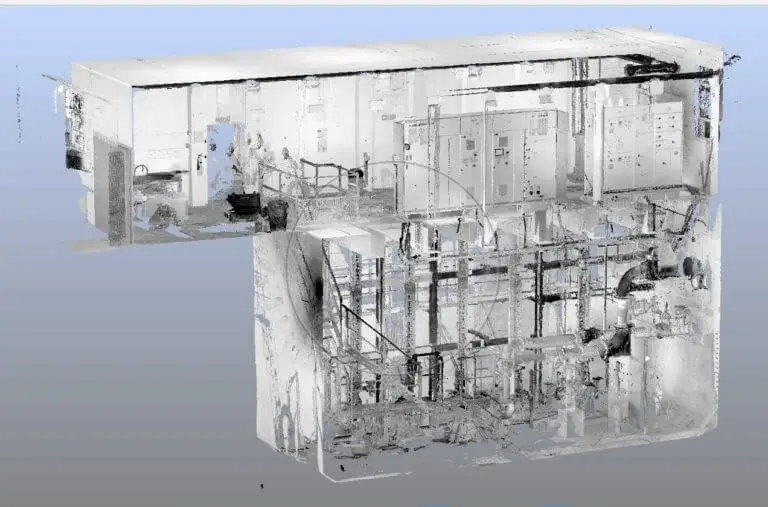
Improving Manufacturing Accuracy for Off-Site Builds
The precision offered by 3D laser scanning extends to the manufacturing process, particularly in the context of off-site builds. By providing exact measurements and detailed representations of existing conditions, this technology enables manufacturers to produce components that fit perfectly within the intended environment. This accuracy minimises the need for on-site adjustments and rework, leading to more efficient and cost-effective construction processes. Moreover, the use of 3D laser scanning in manufacturing enhances overall quality and consistency, ensuring that the final product meets the highest standards of excellence.
Data Acquisition in Confined Spaces
Acquiring data from confined spaces presents unique challenges; however, 3D laser scanning offers innovative solutions to overcome these obstacles. The deployment of ATEX-rated scanners in designated hazardous zones ensures that data can be collected safely and efficiently. Additionally, the integration of virtual reality (VR) technology allows for virtual access to confined spaces, enabling engineers and designers to explore and analyse environments without the need for physical entry. This approach not only enhances safety but also improves the quality of data collected, as it eliminates the risks associated with confined space entries. By minimising access requirements and leveraging advanced technologies, 3D laser scanning significantly improves data acquisition in confined spaces, ultimately supporting more informed decision-making and project success.
Find out more about 3D laser Scanning in confined spaces here.
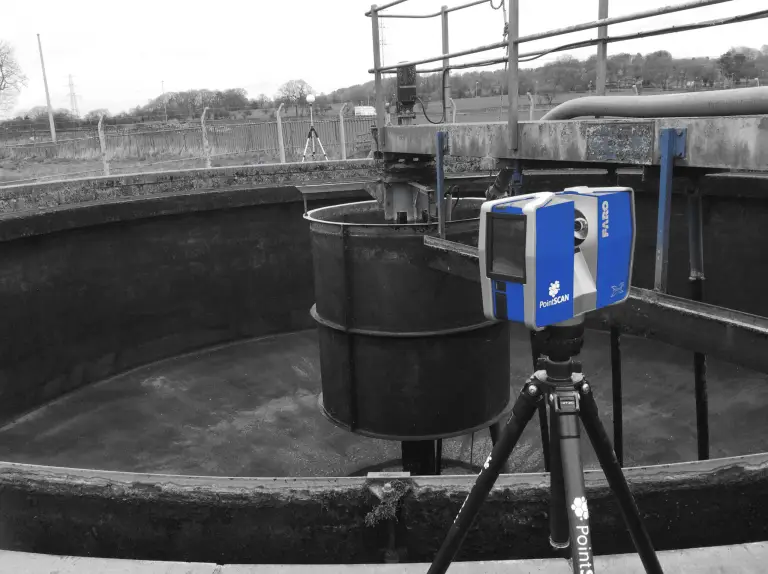
PointSCAN's Innovative Virtual Environments
PointSCAN has harnessed the power of 3D laser scanning technology to create accurate, fully interactive virtual environments that can be utilised throughout a project’s design and delivery stages. These environments provide a platform for stakeholders to visualise and engage with project data, fostering collaboration and enhancing decision-making. By offering a realistic and detailed view of the project, PointSCAN enables water authorities and their contractors to plan, design, and execute projects with a higher degree of confidence and precision. Through the innovative use of virtual environments, PointSCAN is driving the industry forward by providing tools that empower stakeholders to navigate the complexities of project delivery with ease.
Keeping Pace with 3D Laser Scanning Technology
As 3D laser scanning technology continues to evolve, the water industry must remain vigilant in staying abreast of the latest developments to maintain its competitive edge. This necessitates ongoing investment in training and equipment, as well as a commitment to integrating new technologies into existing workflows. By embracing these advancements, the water industry can ensure that it is well-equipped to meet the challenges of the future and continue to deliver high-quality services to its customers. Keeping pace with the rapid evolution of 3D laser scanning technology is essential for the industry to thrive and capitalise on the opportunities presented by this transformative technology.
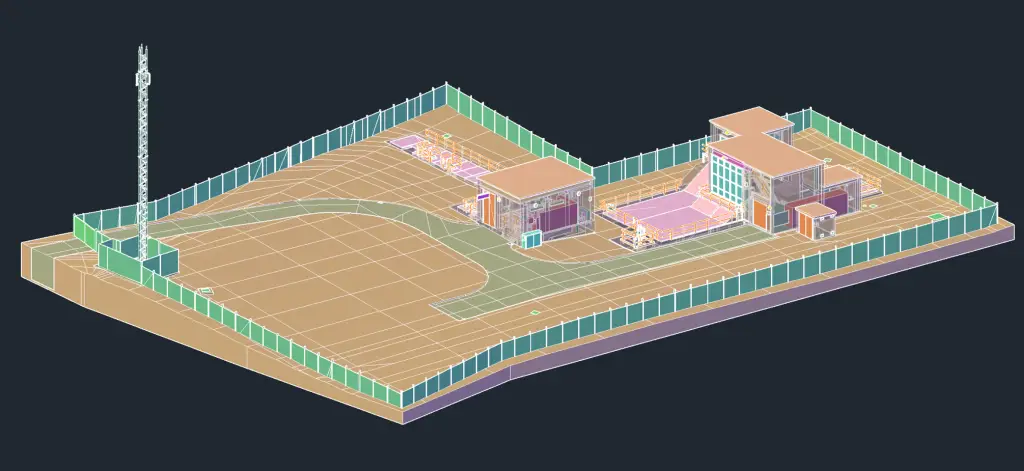
PointSCAN Limited's Services Across the UK
PointSCAN Limited stands at the forefront of providing 3D laser scanning services to water authorities and their tier contractors across the UK. Their expertise in capturing and processing accurate survey data has made them a trusted partner in the industry. By offering a comprehensive suite of services, PointSCAN supports the water industry in optimising its operations, improving safety, and reducing costs. Their commitment to innovation and excellence positions them as a leader in the field of 3D laser scanning, driving the industry forward into a new era of technological advancement. Through their dedication to delivering exceptional service and value, PointSCAN Limited is helping to shape the future of the water industry in the UK and beyond.
If you have found this article of interest please share with your colleagues.