
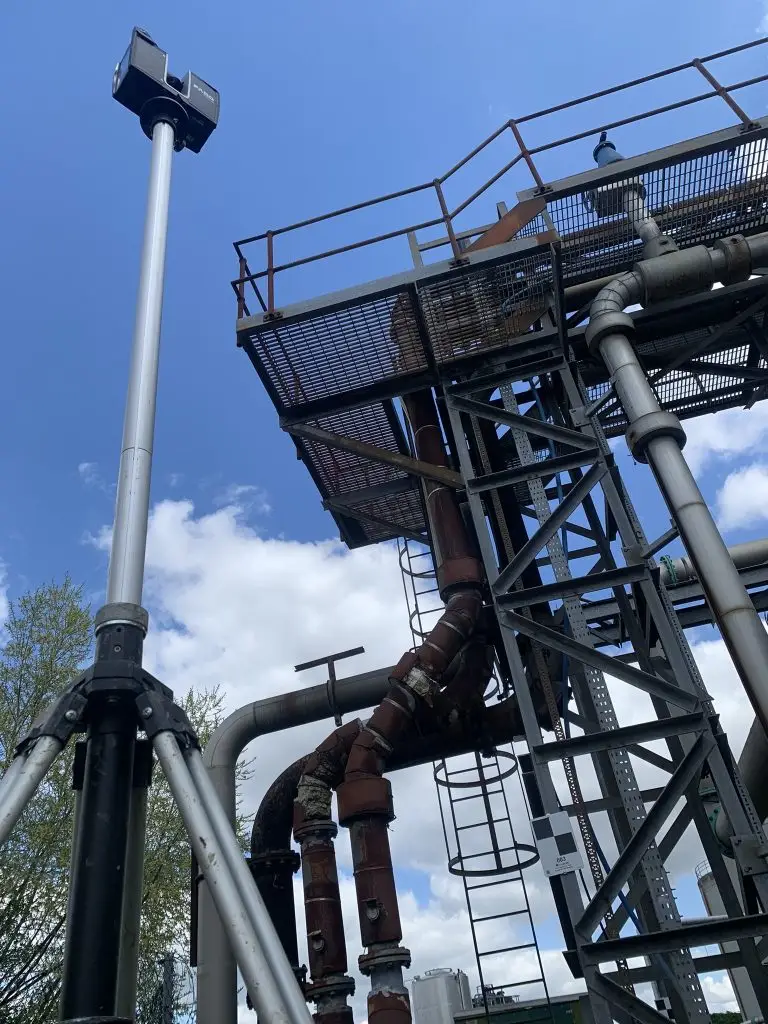
3D laser scanning has emerged as a transformative technology in various fields, offering unprecedented precision, efficiency, and versatility. This non-invasive technology uses laser beams to capture the shape of physical objects and environments, creating detailed three-dimensional models known as point clouds. The benefits of 3D laser scanning extend across numerous industries, including construction, architecture, engineering, manufacturing, and heritage conservation. This article explores these benefits in detail, highlighting how 3D laser scanning is revolutionising data collection, analysis, and application.
Precision and Accuracy
The foremost advantage of 3D laser scanning is its precision and accuracy. Traditional measurement methods, such as manual surveying and photogrammetry, often involve a significant margin of error due to human factors or limitations in the tools used. In contrast, 3D laser scanners can capture millions of data points per second, ensuring that every detail of an object’s surface is recorded with high accuracy. This level of detail is crucial in industries where precision is paramount, such as aerospace, automotive, and construction. For instance, in construction, accurate measurements ensure that structures are built according to specifications, reducing the risk of costly rework and structural failures.
Efficiency and Time-Saving
3D laser scanning dramatically reduces the time required for data collection. Traditional surveying methods can be time-consuming, often taking days or weeks to complete a detailed survey of a site or object. A 3D laser scanner, however, can capture comprehensive data in a fraction of the time. This efficiency translates into significant time savings during the initial data collection phase and speeds up subsequent stages of data processing and analysis. For industries operating under tight schedules, such as construction and manufacturing, this time-saving capability is invaluable. Projects can proceed more swiftly from planning to execution, enhancing overall productivity and reducing downtime.
Versatility and Flexibility
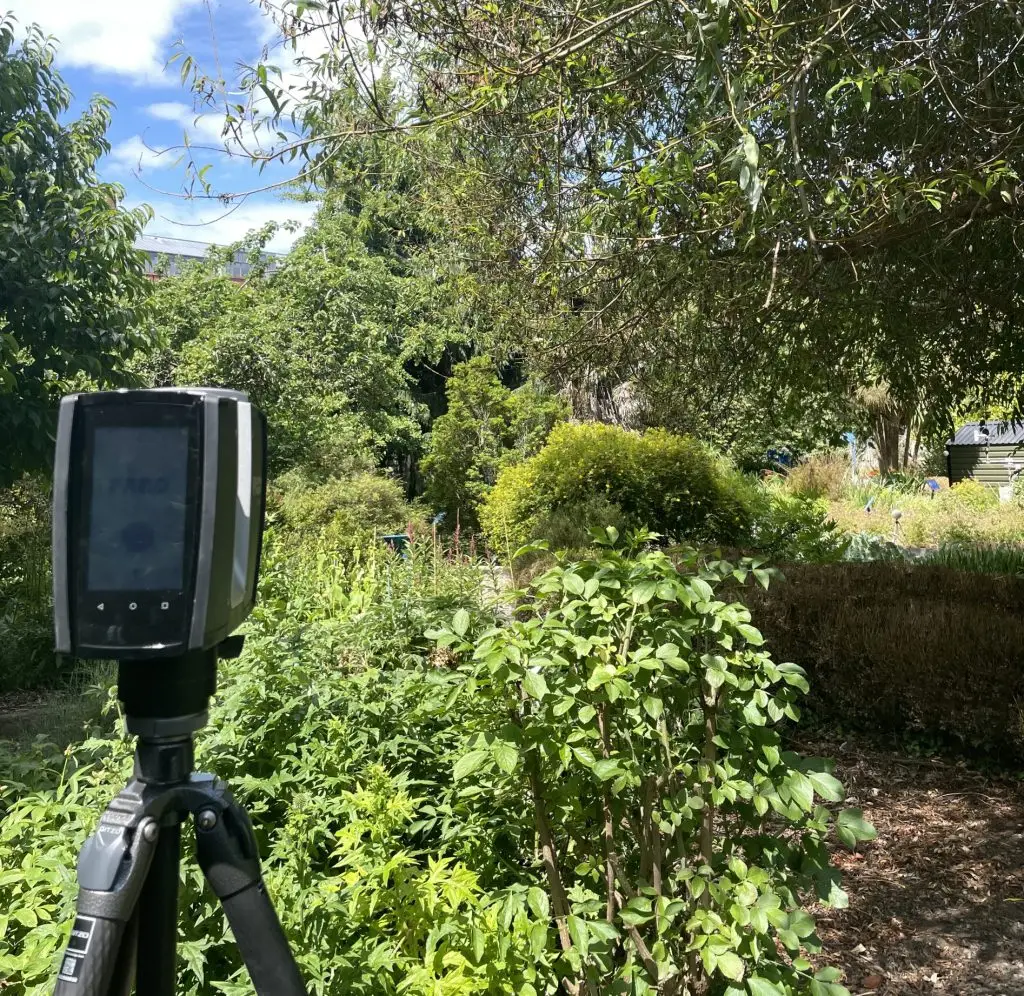
The versatility of 3D laser scanning is another significant benefit. It can be applied in various environments and for different purposes, ranging from capturing the minute details of small objects to mapping expansive terrains. 3D laser scanners can operate in diverse conditions, including indoor and outdoor settings, confined spaces, and hazardous environments. This flexibility makes them suitable for a wide range of applications, such as architectural surveys, industrial inspections, archaeological documentation, and environmental monitoring. In heritage conservation, for instance, 3D laser scanning allows for the accurate recording of historical sites and artefacts, facilitating their preservation and study without physical interference.
Enhanced Documentation and Visualisation
3D laser scanning provides detailed and comprehensive documentation, which can be invaluable for various applications. The point clouds generated by 3D laser scanners can be transformed into detailed 3D models, which offer a rich visual representation of the scanned objects or environments. These models can be used for virtual walkthroughs, simulations, and presentations, enhancing understanding and communication among stakeholders. In architecture and construction, 3D models enable better visualisation of designs, helping clients and project teams to make informed decisions. In forensic science, detailed 3D models of crime scenes can be used for analysis and court presentations, providing clear and accurate visual evidence.
Cost Savings
While the initial investment in 3D laser scanning technology may be substantial, the long-term cost savings are significant. The precision and efficiency of 3D laser scanning reduce the likelihood of errors and the need for rework, leading to cost savings in materials, labour, and time. In construction, for example, accurate initial measurements ensure that building components fit together correctly, minimising waste and avoiding costly delays. Additionally, the detailed data provided by 3D laser scanning can improve project planning and resource allocation, further enhancing cost efficiency. For manufacturing, precise 3D models can streamline quality control processes, reducing defects and improving product consistency.
Improved Safety
Safety is a critical consideration in many industries, and 3D laser scanning contributes significantly to improved safety protocols. In hazardous or hard-to-reach environments, such as industrial plants, mines, or disaster sites, 3D laser scanning allows for remote data collection, minimising the risk to human surveyors. By reducing the need for personnel to physically access dangerous areas, 3D laser scanning enhances worker safety and helps prevent accidents. Additionally, the detailed data captured by 3D laser scanners can be used to identify potential safety hazards and plan safer work environments. For example, in construction, accurate site surveys can help in planning safe access routes and identifying areas that require additional safety measures.
Integration with Other Technologies
3D laser scanning technology integrates seamlessly with other advanced technologies, enhancing its utility and applications. For instance, 3D laser scanning data can be combined with Building Information Modelling (BIM) to create highly accurate and detailed digital representations of buildings and infrastructure. This integration facilitates better project coordination, clash detection, and lifecycle management. In archaeology, 3D laser scanning data can be used in conjunction with Geographic Information Systems (GIS) to create detailed maps and spatial analyses of archaeological sites. In manufacturing, 3D laser scanning can be paired with computer-aided design (CAD) software for precision engineering and quality control.
Sustainability and Environmental Benefits
3D laser scanning also offers environmental benefits by promoting sustainability and reducing waste. The accuracy and detail of 3D laser scanning reduce the need for physical prototypes and mock-ups, which can be resource-intensive to produce. In construction, accurate measurements ensure that materials are used efficiently, minimising waste and reducing the environmental impact of building projects. Additionally, 3D laser scanning can be used for environmental monitoring and assessment, providing detailed data on natural landscapes, vegetation, and habitats. This information can inform conservation efforts and help manage natural resources more sustainably.
Future Potential
The future potential of 3D laser scanning is vast, with ongoing advancements in technology promising even greater benefits. Developments in scanner resolution, speed, and portability are making 3D laser scanning more accessible and practical for a wider range of applications. Emerging technologies, such as drones equipped with 3D laser scanners, are enabling the capture of data from previously inaccessible areas, expanding the possibilities for data collection and analysis. As artificial intelligence and machine learning continue to advance, they will further enhance the processing and interpretation of 3D laser scanning data, unlocking new insights and applications.
3D laser scanning is a powerful technology that offers numerous benefits across a wide range of industries. Its precision, efficiency, versatility, and cost-saving potential make it an invaluable tool for data collection, analysis, and application. From enhancing documentation and visualisation to improving safety and promoting sustainability, 3D laser scanning is transforming how we interact with and understand the physical world. As technology continues to evolve, the benefits and applications of 3D laser scanning are likely to expand, solidifying its role as a critical tool in modern industry and research.
Discover the transformative benefits of 3D laser scanning for your project. Our advanced technology offers unmatched accuracy, efficiency, and detailed data collection for both interior and exterior surveys. Enhance your project’s planning and execution with precise 3D models. Contact PointSCAN today to learn more.