
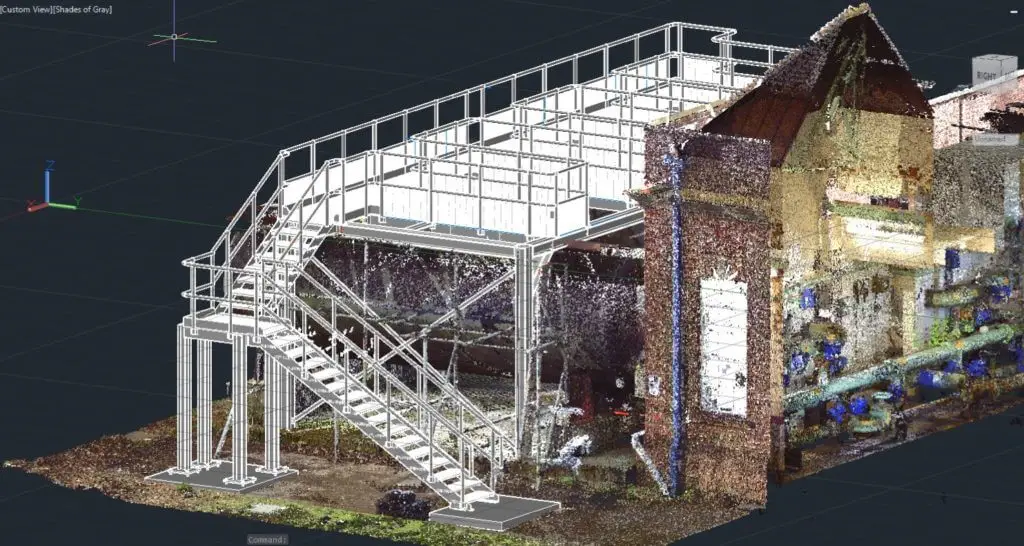
Ensuring data accuracy in 3D laser scanning is a multifaceted process that involves meticulous planning, execution, and post-processing. Achieving high accuracy is crucial for applications across various industries, including construction, manufacturing, archaeology, and forensics. The following sections detail the essential steps and considerations to ensure data accuracy in 3D laser scanning.
Understanding the Basics of 3D Laser Scanning
3D laser scanning involves using a laser to measure and capture the dimensions and spatial relationships of objects and environments. The scanner emits a laser beam that bounces off surfaces, and sensors measure the time it takes for the laser to return. This time-of-flight data is used to create a point cloud, a dense collection of 3D data points representing the scanned area.
Choosing the Right Equipment
The accuracy of the data depends significantly on the quality and type of the laser scanner used. Different scanners have varying levels of precision, range, and suitability for different environments. Key considerations include:
- Scanner Resolution and Precision: Higher resolution and precision scanners capture more detailed data but may be more expensive and require more processing power.
- Range and Field of View: Ensure the scanner’s range and field of view match the size and complexity of the object or environment being scanned.
- Environmental Suitability: Some scanners are better suited for indoor use, while others are designed for outdoor environments or challenging conditions like underwater scanning.
Calibration and Maintenance
Regular calibration and maintenance of the laser scanner are essential for ensuring data accuracy. Calibration involves adjusting the scanner to known standards to ensure its measurements are accurate. This process should be done according to the manufacturer’s specifications and may require specialised equipment.
- Pre-Scan Calibration: Always calibrate the scanner before beginning a new project to account for any potential changes or drift in the system.
- Routine Maintenance: Regular maintenance, including cleaning the lenses and sensors, updating firmware, and checking for mechanical wear, helps maintain the scanner’s accuracy over time.
Planning and Preparation
Proper planning and preparation are critical for successful 3D laser scanning. This includes:
- Site Assessment: Evaluate the site to identify potential challenges such as reflective surfaces, obstacles, or areas with limited access.
- Scanning Strategy: Develop a scanning strategy that includes the number and location of scan positions to ensure complete coverage and minimal occlusions.
- Environmental Conditions: Consider environmental factors like lighting, weather, and temperature, which can affect the scanner’s performance.
Data Collection Best Practices
During data collection, several best practices can help ensure accuracy:
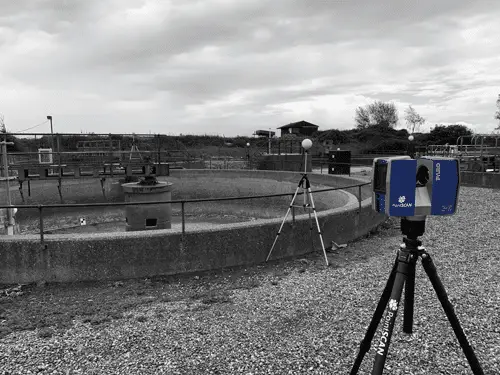
- Stable Setup: Ensure the scanner is placed on a stable surface or tripod to prevent movement during scanning.
- Overlap and Redundancy: Overlap scan areas to ensure complete coverage and redundancy, which helps in aligning and merging scans later.
- Optimal Distance: Maintain an optimal distance between the scanner and the object or surface to maximise accuracy and minimise noise.
- Environmental Control: Minimise environmental changes during scanning, such as moving objects or changing lighting conditions.
Post-Processing Techniques
After data collection, post-processing is crucial for refining and ensuring the accuracy of the scanned data. Key post-processing techniques include:
- Point Cloud Registration: Align and merge multiple scans to create a cohesive point cloud. Use software that supports automatic and manual registration methods to ensure precise alignment.
- Noise Reduction: Filter out noise and erroneous points that may have been captured during scanning.
- Data Segmentation and Cleaning: Separate and clean the point cloud data to focus on the relevant parts of the scan, removing extraneous or irrelevant data.
- Quality Control: Implement quality control checks by comparing the scanned data against known measurements or CAD models to verify accuracy.
Software and Tools
Utilize advanced software and tools designed for 3D laser scanning to aid in data accuracy. These tools offer features like automated registration, noise filtering, and quality assessment. Popular software options include:
- FARO Scene: Known for its robust point cloud processing capabilities and ease of use.
- Autodesk Recap: Integrates well with other Autodesk products, making it ideal for construction and architectural applications.
- Leica Cyclone: Offers high-precision tools for point cloud registration and processing.
Training and Expertise
Investing in training and developing expertise in 3D laser scanning is vital for ensuring data accuracy. Operators should be well-versed in the equipment, software, and best practices. Continuous learning and staying updated with the latest advancements in technology and techniques can significantly enhance accuracy.
- Certification Programs: Enrol in certification programs offered by scanner manufacturers or professional organisations.
- Hands-On Experience: Gain practical experience through hands-on projects and real-world applications.
- Workshops and Seminars: Attend workshops, seminars, and conferences to learn from industry experts and stay informed about new developments.
Documentation and Reporting
Thorough documentation and reporting are essential for maintaining a record of the scanning process, calibration details, and any issues encountered. This documentation helps in troubleshooting, future reference, and ensuring transparency and accountability.
- Scan Logs: Maintain logs of each scan session, including date, time, location, scanner settings, and environmental conditions.
- Calibration Records: Keep detailed records of calibration procedures and results.
- Quality Reports: Generate quality reports that compare the scanned data to known standards or specifications.
Ensuring data accuracy in 3D laser scanning involves a comprehensive approach that starts with selecting the right equipment and includes meticulous planning, execution, and post-processing. Regular calibration, proper maintenance, and adherence to best practices during data collection are critical. Utilising advanced software, investing in training, and maintaining thorough documentation further contribute to achieving high data accuracy. By following these steps, professionals can ensure that their 3D laser scanning projects deliver precise and reliable results, meeting the stringent requirements of various applications and industries.
Interested in transforming your project with accurate 3D modelling? Contact PointSCAN today by clicking the button below. Let our expertise enhance your project’s precision and detail.